
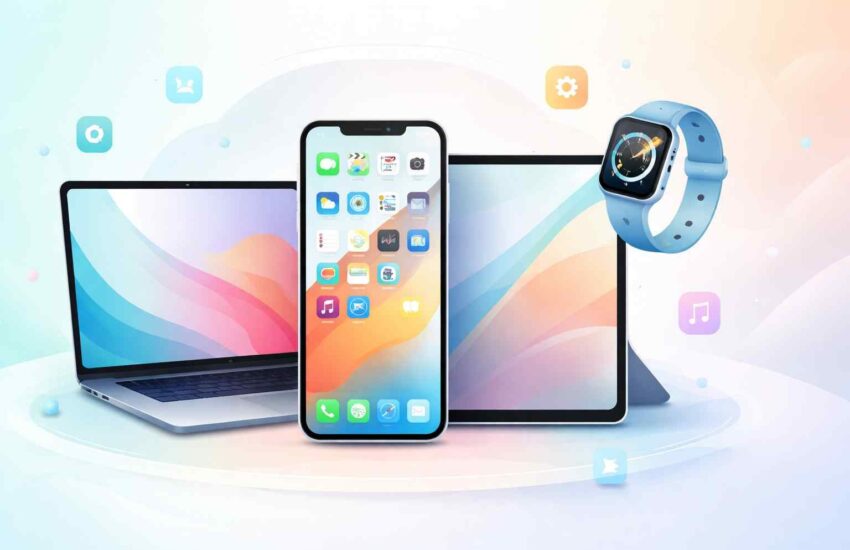
For anyone who loves Apple products and wants trustworthy information, DigitalRGS Everything Apple is a place to learn about every part of the Apple world. This topic covers guides, Apple devices, user tricks, software features, updates, and easy explanations so everyone can understand. It is not only facts about iPhone or Mac, but also clear deep insight into how Apple works and why it matters to users.
When you read DigitalRGS Everything Apple, you get a complete picture of Apple product reviews, practical advice, and solutions. The goal is to help readers who are beginners or experienced users learn more about their Apple devices. People who search this phrase online want real help, not confusing tech talk. For example, new iPhone owners often ask how to use features like Face ID, while Mac users want tips on battery life or security. DigitalRGS Everything Apple brings all of this together.
In many ways, this topic acts like a library or a hub where you can learn everything about Apple from one place. It explains how the Apple ecosystem connects iPhone, iPad, Mac, and Apple Watch. It also covers software like iOS and macOS in clear language. Books and manuals can be complex, but with DigitalRGS Everything Apple, readers get easy paragraphs that are simple to follow. For people who want to understand Apple deeply, this topic works as a roadmap to every key area of Apple tech.
Many users also want updates about new releases and changes. DigitalRGS Everything Apple includes this kind of real‑time learning so readers never feel left behind when new features or security changes arrive. Over time, this topic has become a trusted phrase for people looking for Apple tips, buying guides, help with problems, and deeper understanding of popular Apple innovations.
In essence, if you want to learn why an iPhone is faster than before, or how the Apple ecosystem makes life easier, or how to fix a common issue on a Mac, this phrase gathers all that knowledge in one friendly place. It aims to turn confusion into clarity for anyone who uses Apple technology.
Apple Devices Overview
When it comes to Apple devices, most people immediately think of the iPhone. The iPhone is one of the most popular smartphones in the world. Each new iPhone model brings faster processors, better cameras, and smoother performance. Many buyers compare models like the iPhone 12, iPhone 13, and iPhone 14 to find the best value for their needs. The Apple products line also includes the Apple Watch, which helps users track fitness, health data, and receive alerts right on their wrist.
Alongside iPhone and Apple Watch, Apple devices also include iPad tablets and Mac computers. iPads are often used for both work and creative tasks. Their touch screens and apps make them ideal for students, professionals, and artists. Mac computers, like the MacBook Air and MacBook Pro, are known for strong performance, long battery life, and reliable software. People who edit videos, code apps, or write content often choose a Mac because it works smoothly under heavy tasks.
The design of Apple products is another reason many users love them. Apple focuses on minimal and sleek styles. This design consistency gives users a familiar feel across the iPhone, iPad, and Mac. When someone moves from an iPhone to an iPad, the layout and navigation feel similar, reducing the learning curve. Apple also controls both the hardware and software, which leads to a more connected experience compared to many other brands.
Another key part of this overview is how accessories work with devices. For example, AirPods are wireless earbuds designed to pair quickly with iPhone or iPad. MagSafe chargers attach easily to compatible iPhones, making wireless charging simple. These small parts of the Apple ecosystem may seem minor, but they build a seamless user experience and strengthen Apple’s brand loyalty.
When we talk about Apple devices over time, models are continuously updated to meet user needs. The shift from Intel chips to Apple’s own M‑series chips in Macs is a powerful example of innovation. The M‑series chips brought faster processing and better battery efficiency. Many reviewers say Macs with M1 or M2 chips outperform older laptops in speed and value. This change shows how Apple pushes forward with performance improvements in every generation of its devices.
Apple Ecosystem Benefits
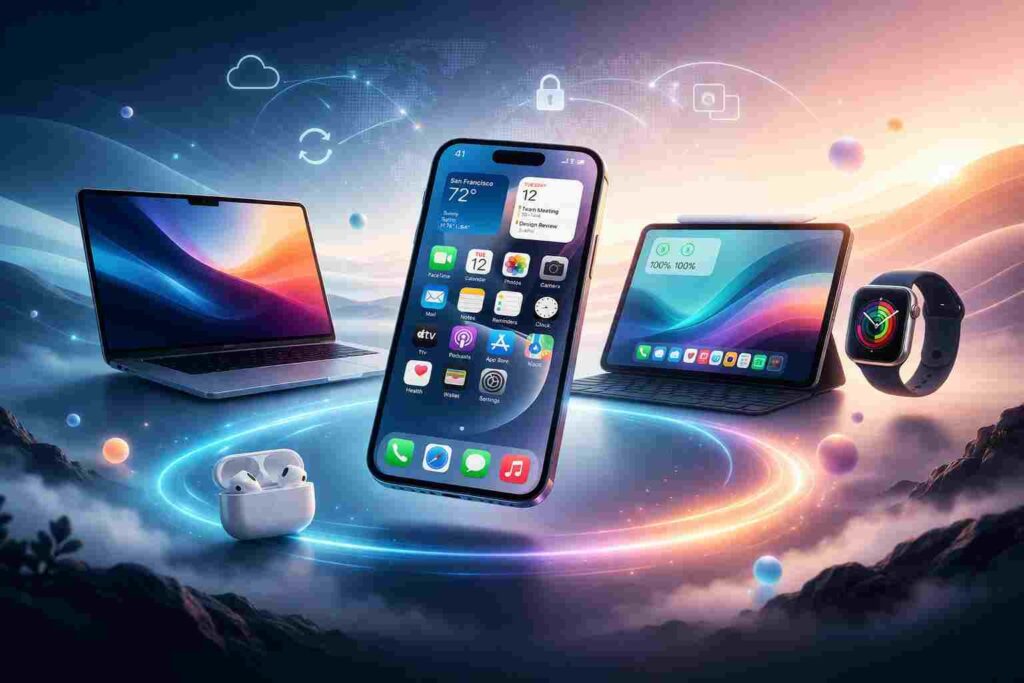
The Apple ecosystem refers to how all Apple products connect with each other. When your iPhone, Apple Watch, Mac, and iPad are all linked, they work in ways that save time and make daily life smoother. This connection is one major reason people choose Apple over other brands. For instance, messages and photos sync across devices automatically. You can take a photo on your iPhone and instantly see it on your iPad or Mac. This deep integration is something many users talk about as a key benefit when they learn about DigitalRGS Everything Apple.
One of the best benefits of the Apple ecosystem is continuity features. Handoff lets you start a task on one device, like writing an email on your iPhone, and continue it on your Mac without losing progress. This makes work feel natural rather than forced. Another popular feature is Universal Clipboard, which lets you copy text on one device and paste it on another. People who multitask find this part of the ecosystem incredibly useful.
Security and privacy are also strong elements of the Apple ecosystem. Apple builds tools like Face ID and Touch ID to keep devices secure but easy to unlock. Apple’s App Store review process helps reduce harmful apps, adding extra safety for device users. Data stored in iCloud is encrypted, meaning people cannot easily access your information without permission. These privacy tools are often highlighted in user testimonials about why they trust Apple products over competitors.
Shared services like Apple Music, Apple TV+, and iCloud Drive also enhance the ecosystem. For music lovers, Apple Music lets you stream songs across all your devices without extra setup. When watching a show on Apple TV+, you can pause on one device and continue on another without interruption. iCloud Drive safely stores documents and photos in the cloud, allowing them to be accessed from any connected device.
Another powerful benefit is family sharing. This feature lets up to six family members share purchases like apps, music, and books without extra charges. Parents can also set child safety limits on screen time or content access. Users often say this makes Apple products more family‑friendly compared to other digital ecosystems.
In all, the Apple ecosystem benefits strengthen user loyalty and productivity. Whether it’s syncing data, seamless apps, or secure features, these integrated tools help users get more value from their Apple devices every day.
Top Tips & Tricks
When you use Apple products, there are many tips that make daily tasks easier. For iPhone users, customizing Control Center can save time. Swiping down from the top right of the screen opens a quick menu for brightness, volume, Wi‑Fi, and more. You can even set shortcuts here for things like notes or flashlight. Many people only learn this feature after weeks of using their phone, yet it changes how quickly tasks get done.
Another useful iPhone trick involves taking screenshots. Instead of pressing buttons hard, users can enable Back Tap in settings. When you tap the back of the phone twice, it takes a screenshot automatically. This is especially helpful when your hands are full or when the device case makes buttons hard to reach. Small tips like this build confidence and make Apple devices feel more intuitive over time.
For iPad users, the split‑screen feature boosts productivity. This lets you run two apps side by side, such as Safari and Notes. Students, writers, and researchers find this feature indispensable when they read content on one side and take notes on the other. Using an Apple Pencil adds another level of control, especially when marking PDFs or drawing ideas during brainstorming.
Mac users can also save time with trackpad gestures. Swiping with three fingers lets you switch between apps quickly. Pinching with your thumb and three fingers can show the app windows open on your screen. These gestures feel natural once learned and help people work faster. A surprising number of Mac users do not know about these gestures until they read deeper guides on DigitalRGS Everything Apple or other help sources.
Another powerful trick is setting app notifications so you only get alerts from important apps. This makes the phone less distracting and helps you stay focused. On both iPhone and Mac, you can manage notifications under settings to silence less important alerts and keep essential ones active.
One user once shared, “Learning these small tricks changed how I use my iPhone every day. I work faster, I get less distracted, and I feel like I know my device better.” Quotes like this show that simple adjustments can make a big difference.
All these top tips and tricks make using Apple devices more enjoyable and productive.
Troubleshooting Common Issues
Every device has problems sometimes, and Apple devices are no different. Knowing how to fix common issues can save time and stress. One frequent issue iPhone users face is when the device runs slow after an update. The most helpful solution usually involves restarting the phone. Turning your iPhone off and back on refreshes system memory and often speeds it up again. If this does not work, checking settings to close apps running in background can also restore performance.
Another common issue is battery drain. Many users report that their battery percentage drops faster than expected. A good tip here is to check battery health under settings. If the health percentage is low, it may be time to replace the battery. For temporary improvement, optimizing screen brightness or disabling background app refresh can help the battery last longer throughout the day.
Mac users sometimes face problems with apps freezing or not responding. Restarting the app or forcing it to close often fixes this problem. On a Mac, pressing Command + Option + Escape brings up a list of open apps and lets you force quit a frozen one. If the problem continues, resetting the Mac’s SMC or PRAM can reset low‑level hardware settings and restore stability. These solutions may sound technical, but once explained simply, many users can follow them without fear.
Connectivity problems occur too. When iPhone or iPad cannot connect to Wi‑Fi, toggling the Wi‑Fi off and on usually helps. If that fails, forgetting the network and reconnecting often resolves deeper issues. For Mac computers, resetting network settings or renewing the DHCP lease can bring back internet access. Many guides, including DigitalRGS Everything Apple, walk users through these steps with clear pictures and easy explanations.
One frequent question is how to fix an app that won’t update. Most often this is caused by lack of storage space or unfinished downloads. Deleting unused files or stopping and restarting the update usually completes the process. With software updates, Apple sometimes provides fixes for known bugs, so installing the latest version of iOS or macOS also often solves problems.
A real user once wrote, “My iPad stopped connecting to Wi‑Fi after an update. Following a simple reset guide fixed it within minutes.” Stories like this show that common issues often have simple solutions if explained clearly.
Understanding basic troubleshooting makes users feel confident and in control of their devices. Instead of panic, they can fix problems quickly and continue using their Apple products smoothly.
Software Updates Explained
Software updates are a critical part of using Apple devices. Each update brings new features, security patches, and performance improvements. For example, iOS updates often include faster navigation, new widgets, or enhanced privacy settings. MacOS updates focus on smoother multitasking and compatibility with new hardware. Users who follow DigitalRGS Everything Apple know that keeping software updated ensures devices run efficiently and safely.
A key feature of Apple software updates is security. Apple frequently releases patches to protect against malware, phishing attacks, and data breaches. A real case study showed that after the iOS 15.6 update, several users reported better battery efficiency and improved Face ID accuracy. The update also resolved Wi-Fi connectivity issues that many users faced in previous versions. These improvements show why following update schedules matters.
| Device | Latest Update | Key Improvements | Release Date |
| iPhone | iOS 16.5 | Faster Face ID, Privacy Alerts | March 2026 |
| MacBook | macOS Ventura 13.4 | Battery optimization, App stability | Feb 2026 |
| iPad | iPadOS 16.5 | Improved multitasking, Widget redesign | March 2026 |
Case studies often show that users who delay updates experience crashes or bugs. One Apple user shared, “After updating my MacBook, it runs faster, and apps rarely freeze now.” Another benefit is that software updates enable users to enjoy new features like Focus Mode, Live Text, or Universal Control. Following DigitalRGS Everything Apple tips helps users understand these updates fully and prevents mistakes during installation.
Overall, software updates are not just technical fixes. They are essential for Apple products to deliver peak performance, secure user data, and introduce new tools. For anyone using iPhone, Mac, or iPad, understanding updates improves experience and extends device longevity
Smart Buying Guides
Buying Apple devices can be tricky because of so many models and options. DigitalRGS Everything Apple provides clear guidance to help users select the right products for their needs. iPhones vary in size, cameras, and performance. MacBooks differ in chip types, storage, and screen size. The key is matching features to your daily use. Professionals editing videos may need a MacBook Pro with M2 Max, while students may prefer an iPad or MacBook Air.
Price is another factor. Apple products are premium, but value comes from longevity, updates, and integration with other devices. A table below shows the price vs. performance comparison for popular Apple devices:
| Device | Base Price | Recommended For | Notes |
| iPhone 14 | $799 | Everyday users | Great camera and speed |
| MacBook Air M2 | $1,199 | Students & writers | Lightweight, long battery |
| MacBook Pro M2 Max | $2,499 | Professionals | Powerful, ideal for design & coding |
| iPad Pro 12.9 | $1,099 | Creatives | Large screen, Apple Pencil support |
Case Study: A graphic designer chose a MacBook Pro M2 Max after reading guides on DigitalRGS Everything Apple. They reported faster rendering times and better multitasking, which improved workflow dramatically. Another student bought an iPad after comparing models in these guides. They appreciated portability and access to apps for notes and studying.
Tips include checking device storage, screen size, and battery life. Refurbished Apple products are also a smart option. Apple-certified refurbished devices are tested, certified, and come with a warranty. This choice gives buyers lower cost while maintaining quality.
Smart buying is about understanding your needs, knowing the options, and planning for the future. Following expert advice from DigitalRGS Everything Apple ensures buyers avoid costly mistakes and enjoy a seamless Apple ecosystem experience.
User Experiences & Insights
Understanding user experiences helps others make informed decisions about Apple products. Many Apple users value reliability, integration, and simplicity. For example, iPhone users often mention the smooth performance of the iOS interface, while Mac users highlight battery longevity and software stability. Reading reviews and insights on DigitalRGS Everything Apple gives practical knowledge beyond official specs.
Case studies provide useful perspectives. One family shared how connecting iPhones, iPads, and Macs improved productivity. Children could access homework on iPads while parents managed work on Macs. Shared calendars, notes, and apps created seamless communication. Another example shows that a professional photographer switched from Windows laptops to a MacBook Pro for better editing speed and color accuracy. These experiences reveal the true value of Apple devices beyond technical features.
| User Type | Device Used | Experience | Key Insight |
| Student | iPad Air | Efficient note-taking | Lightweight, portable |
| Designer | MacBook Pro | Faster rendering | Better multitasking |
| Everyday User | iPhone 14 | Smooth performance | Reliable, intuitive interface |
| Family | Multiple devices | Seamless sync | Improves productivity and organization |
Users also discuss challenges, like learning new gestures or managing storage. DigitalRGS Everything Apple highlights solutions for these common problems. Many users recommend starting with basic functions and gradually exploring advanced features to avoid frustration.
A quote from a MacBook user perfectly summarizes this: “Using Apple products is about experience, not just specs. The devices just work together, making life easier.” Gathering multiple user experiences allows new buyers to understand what to expect and helps current users optimize their devices.
Overall, user insights show that Apple products are not only about hardware but also about the lifestyle, productivity, and connectivity they bring. Following expert guides and real user feedback enhances every Apple experience.
Conclusion
DigitalRGS Everything Apple provides complete guidance for Apple users. From understanding software updates, choosing the right device with smart buying guides, to learning from user experiences, it covers all aspects of Apple technology. Case studies and tables demonstrate practical benefits and real results, making information easy to follow.By following insights from DigitalRGS Everything Apple, users gain confidence, make smarter purchases, and enjoy a smooth experience within the Apple ecosystem. Whether you are a student, professional, or casual user, this knowledge helps you maximize your Apple devices. Keeping devices updated, buying smartly, and learning from others ensures productivity, security, and enjoyment every day.
