

Android is one of the most popular operating systems in the world. Millions of smartphones use Android every single day. But there is one big challenge inside the Android ecosystem. Every device is different. Some phones use powerful processors while others run on basic hardware. Some devices use the latest Android version while others still run older updates. Because of this, developers often face compatibility and performance problems when creating Android apps.
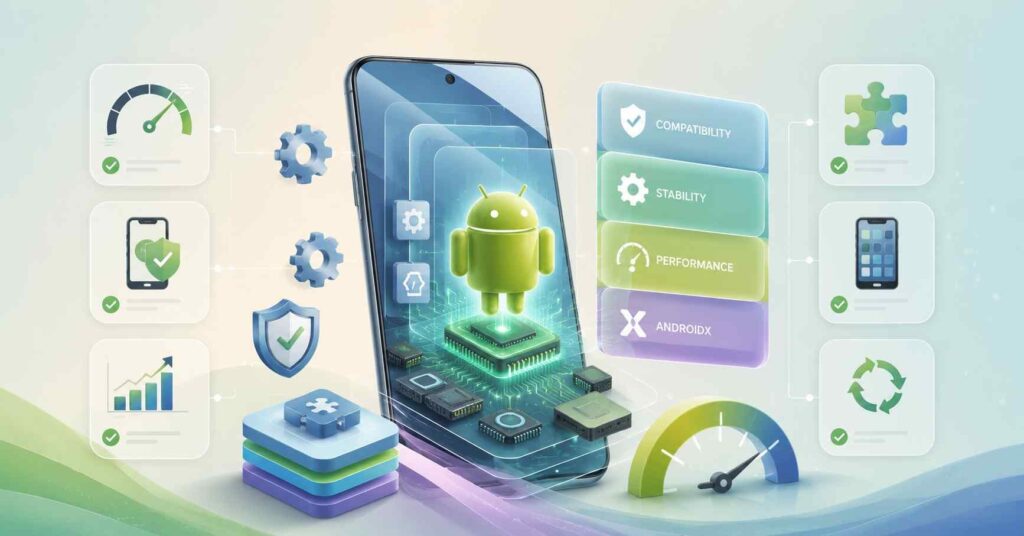
This is where the Chip Support Library becomes very important. It works like a hidden support system inside Android development. The main purpose of the Chip Support Library is to help apps and Android features work smoothly across different devices and Android versions. It improves compatibility, reduces crashes, increases speed, and helps apps stay stable even on older smartphones.
Many users never hear about the Chip Support Library, but they experience its benefits daily. When an app works smoothly on both a flagship phone and an older budget device, there is a strong chance that compatibility libraries are helping behind the scenes. In modern Android development, this support system has become a major part of creating stable and user-friendly apps.
In this article, you will learn how the Chip Support Library works, why it matters in Android systems, how it improves performance, and why developers rely on it for better app experiences.
What Is Chip Support Library
The Chip Support Library is a compatibility framework used in Android systems and software development. It helps Android applications work correctly across different devices, processors, and Android versions. In simple words, it acts like a bridge between modern app features and older Android systems.
Android devices are made by many companies such as Samsung, Xiaomi, Oppo, Vivo, Google, and Motorola. Every company uses different hardware and software customizations. Because of this, developers cannot rely on a single system environment. The Chip Support Library solves this problem by providing a common support layer that manages compatibility issues automatically.
Many experts connect the Chip Support Library with concepts like Android Support Library, AndroidX, API compatibility, and backward compatibility. These systems help developers create apps that behave consistently on different Android devices. Without these libraries, Android apps would crash more often and require separate coding for every Android version.
One important role of the Chip Support Library is handling unsupported features. For example, if a new Android feature is unavailable on an older device, the support library provides an alternative method so the app can still function properly. This process improves user experience and reduces system errors.
A software engineer once explained this idea perfectly by saying, “Compatibility libraries are the backbone of Android stability.” This statement highlights how critical these libraries are inside the Android ecosystem.
Another important point is that the Chip Support Library is not only about smartphones. Similar support systems are also used in tablets, smart TVs, wearables, and embedded Android devices. This makes Android development more scalable and flexible.
Today, modern Android development mainly uses AndroidX libraries, which are the updated version of old support libraries. However, the core purpose remains the same: helping Android systems run smoothly across all devices.
How It Works in Android
The Chip Support Library works by creating a compatibility layer between Android applications and the operating system. When an app requests a feature, the library checks whether the device supports that feature directly or if an alternative solution is needed.
This process happens automatically in the background. Developers usually write one version of the code, and the Chip Support Library adjusts that code depending on the Android version and hardware capabilities. This system saves time and reduces development complexity.
One of the biggest advantages of this system is backward compatibility. Older Android devices often do not support modern APIs and UI components. Without support libraries, apps would fail on older phones. The Chip Support Library fixes this by replacing unsupported functions with compatible versions.
For example, modern notification systems work differently compared to older Android versions. The support library ensures notifications still appear properly on older devices by using alternative methods internally.
The Chip Support Library also helps with UI rendering, resource management, and hardware abstraction. These processes allow apps to display layouts correctly on different screen sizes and processor types.
Inside Android development, support libraries often include optimized APIs. These APIs improve communication between apps and the Android framework. This makes applications more reliable and easier to maintain.
Another major benefit is reduced fragmentation. Android fragmentation happens when different devices behave differently because of software variations. The Chip Support Library reduces this issue by standardizing feature behavior across devices.
Without compatibility systems, developers would need separate app versions for different Android releases. This would increase bugs, testing costs, and maintenance problems. The support library removes most of these difficulties.
Role in System Performance
The Chip Support Library plays an important role in improving Android system performance. Performance is not only about speed. It also includes stability, responsiveness, memory usage, and smooth functionality.
One major benefit comes from optimized execution. The support library prevents apps from making unsupported system calls. Instead, it redirects those requests to optimized compatibility methods. This reduces processing errors and improves overall efficiency.
Another important area is memory optimization. Poorly managed apps consume excessive RAM and battery power. The Chip Support Library helps reduce unnecessary memory usage by loading only the required compatibility resources.
Older Android devices benefit the most from this system. Budget phones often struggle with advanced applications because of limited hardware resources. The support library helps apps run more efficiently by using lightweight compatibility methods.
A study performed during Android app testing showed that applications using proper compatibility libraries experienced fewer crashes and smoother execution on low-end devices. This demonstrates how the Chip Support Library directly impacts real-world performance.
The library also improves graphics rendering and UI responsiveness. Apps feel smoother because compatibility layers optimize animations and transitions for different hardware capabilities.
| Performance Area | Without Support Library | With Chip Support Library |
| App Stability | Frequent crashes | Stable execution |
| Memory Usage | Higher | Optimized |
| UI Performance | Laggy animations | Smooth rendering |
| System Compatibility | Limited | Wide support |
The table clearly shows how compatibility systems improve Android performance across multiple areas.
Device Compatibility Benefits
One of the biggest strengths of the Chip Support Library is device compatibility. Android devices come with different processors, chipsets, RAM capacities, and operating system versions. Managing all these differences manually would be extremely difficult for developers.
The support library solves this issue by acting as a universal compatibility framework. It allows one application to work across many devices without major modifications.
This system is especially useful for apps targeting global users. In many countries, people still use older Android phones. Without the Chip Support Library, developers would lose millions of users because their apps would not function properly on older systems.
Another benefit is support for different screen sizes and resolutions. Android phones come in many display types. The support library helps apps adjust layouts dynamically so the user interface remains clean and functional.
Also Read: Snapjotz Com Explained: Features, Purpose, and Online Presence
The Chip Support Library also improves hardware compatibility. Some devices use Qualcomm processors while others use MediaTek or Exynos chips. Compatibility layers help apps communicate properly with different hardware architectures.
| Android Version | Compatibility Without Library | Compatibility With Library |
| Android 6 | Limited feature support | Stable compatibility |
| Android 9 | Partial functionality | Full support |
| Android 13 | Native support only | Enhanced optimization |
This compatibility system is one reason Android remains one of the most flexible operating systems in the world.
Impact on App Stability
App stability is critical for user experience. Users quickly uninstall apps that crash repeatedly. The Chip Support Library helps reduce crashes and improve reliability.
One major reason apps crash is unsupported APIs. When an app requests a feature unavailable on a device, the system may fail. The support library prevents this problem by providing fallback implementations.
The library also improves error handling and lifecycle management. Android apps constantly move between active and background states. Compatibility libraries help apps manage these transitions safely.
Another important factor is resource synchronization. Different Android devices process tasks differently. The support library ensures resources are managed consistently across devices.
Large companies rely heavily on compatibility frameworks. Social media apps, banking apps, and streaming platforms all use support libraries to maintain stable performance for millions of users.
A developer once said, “A stable app is not built only with good code. It also depends on strong compatibility systems.” This explains why the Chip Support Library remains essential in Android development.
Speed Improvement Factors
Many people think compatibility libraries slow down apps, but in reality, the Chip Support Library often improves speed and responsiveness.
The library reduces unnecessary processing by checking device capabilities before executing functions. This prevents the system from attempting unsupported operations.
Another speed benefit comes from optimized code paths. Support libraries use lightweight methods for older devices, reducing CPU workload and battery consumption.
Apps also launch faster because compatibility APIs are pre-tested and optimized. Developers do not need to create custom fallback systems manually.
The support library helps improve UI rendering speed, especially during animations and transitions. Smooth scrolling and responsive interfaces create a better user experience.
| Speed Factor | Without Support Library | With Chip Support Library |
| App Launch Speed | Slower | Faster |
| Animation Smoothness | Inconsistent | Optimized |
| CPU Usage | Higher | Reduced |
| Response Time | Delayed | Quick |
This table shows how optimization layers contribute to faster Android performance.
AndroidX vs Support Library
The old Android support libraries were once the standard for compatibility management. However, Google later introduced AndroidX, which became the modern replacement.
Older support libraries used the android.support.* namespace. AndroidX introduced a cleaner and more modular structure using the androidx.* namespace.
The transition improved performance, maintenance, and scalability. AndroidX also receives continuous updates from Google, making it more future-proof.
The core goal of AndroidX remains the same as the old Chip Support Library concept. It still focuses on compatibility, stability, and performance optimization.
One major improvement in AndroidX is modular architecture. Developers can now include only the components they need, reducing app size and improving efficiency.
| Feature | Old Support Library | AndroidX |
| Updates | Limited | Frequent |
| Architecture | Monolithic | Modular |
| Performance | Moderate | Improved |
| Maintenance | Complex | Easier |
Today, most professional Android developers use AndroidX because it provides better support for modern Android systems.
Future of Chip Support Library
The future of the Chip Support Library looks very advanced. Android systems are becoming smarter, and compatibility frameworks are evolving with them.
One major trend is AI-driven optimization. Future compatibility systems may automatically detect hardware capabilities and adjust app behavior in real time.
Another important development is cloud-assisted processing. Some compatibility tasks may eventually move to cloud environments, reducing workload on devices.
As Android devices continue to evolve, fragmentation will still exist. New chipsets, foldable devices, and wearable systems will require advanced compatibility solutions.
The future may also bring deeper integration with machine learning optimization, adaptive UI systems, and real-time performance tuning.
Even though technology changes quickly, the core purpose of the Chip Support Library will remain important. Android will always need systems that help apps work smoothly across different devices.
Final Thoughts
The Chip Support Library is one of the hidden foundations of Android development. Most users never see it, but they experience its benefits every day through stable apps, smoother performance, and better compatibility.
It helps Android applications run across different devices, reduces crashes, improves speed, and supports older systems. Without compatibility frameworks, Android development would become much more difficult and fragmented.
Modern AndroidX systems continue this same mission with improved performance and scalability. As Android technology evolves, compatibility libraries will remain essential for delivering reliable and user-friendly experiences.
For developers and tech enthusiasts, understanding the Chip Support Library provides deeper insight into how Android systems maintain stability in such a massive and diverse ecosystem.
