
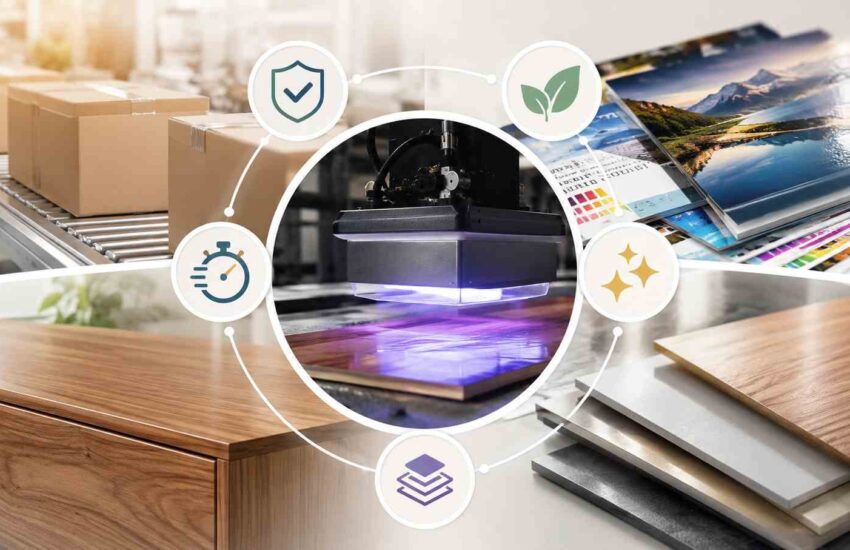
Uvlack is a modern term used in the field of coating and surface protection. It is mainly linked with UV coating technology, where materials are coated and cured using ultraviolet light. This process is fast, clean, and highly efficient compared to traditional drying methods.
In simple words, Uvlack refers to a protective layer that becomes solid when exposed to UV light. This idea is widely used in industrial surface finishing where speed and durability matter.
Uvlack is not just a single product. It represents a system of advanced coating methods used in printing, packaging, furniture, and plastic industries. The core idea behind it is instant curing and strong protection.
Experts often describe it as a smart evolution in coating science. According to industrial chemist Dr. Helen Markson,
“The shift toward UV-based coating systems like Uvlack has reduced production time by nearly 60% in modern factories.”
Another materials engineer, Prof. David Lin, explains,
“Uvlack systems represent a major step forward in sustainable surface treatment because they reduce energy waste and chemical emissions.”
To understand Uvlack better, here is a simple comparison table.
| Traditional Coating | Uvlack System |
| Long drying time | Instant UV curing |
| High energy use | Low energy process |
| More chemical waste | Cleaner production |
| Less durability | High surface strength |
From this comparison, it is clear that Uvlack is part of a modern shift toward efficiency and sustainability in manufacturing.
Uvlack is also important in packaging industries where visual appearance matters. It creates a glossy, smooth finish that improves product presentation and durability.
Uvlack Meaning Explained
The meaning of Uvlack is closely connected to UV lacquer system and advanced coating science. The word itself combines “UV” (ultraviolet) and “lack” (from lacquer), which refers to a protective coating layer.
So, Uvlack essentially means a UV-based lacquer that hardens instantly under ultraviolet light exposure. This is a form of polymerization reaction, where liquid coating turns into a solid protective layer within seconds.
This process is widely used in modern industries because it saves time and improves quality.
A key concept related to Uvlack is protective coating, which ensures that surfaces remain safe from scratches, moisture, and chemical damage.
To make the meaning clearer, let’s break down its components.
| Term | Meaning |
| UV | Ultraviolet light used for curing |
| Lacquer | Protective coating material |
| Uvlack | UV-cured protective lacquer system |
In real-world applications, Uvlack is used to improve both appearance and durability of products. It is especially useful in printing industries where high-quality finishing is required.
A packaging specialist, Maria Gonzales, states:
“In modern packaging, Uvlack finishing has become a standard because it delivers both protection and visual appeal in one step.”
This shows that Uvlack is not just a technical term but also a practical solution in many industries.
In digital manufacturing discussions, UV curing process is often linked with Uvlack because it defines how quickly and efficiently the material solidifies.
How Uvlack Works
Uvlack works through a scientific process known as UV curing process, where ultraviolet light triggers a chemical reaction in the coating material. This reaction causes the liquid layer to harden almost instantly.
The process is simple but highly advanced. First, a liquid coating is applied to a surface. Then, UV light is exposed to that surface. The energy from the light activates special chemicals that start polymerization reaction, turning liquid into solid.
This is why Uvlack is considered one of the fastest coating methods in modern industries.
Here is a breakdown of how the process behaves in different stages.
| Stage | Process Description |
| Application | Liquid coating applied on surface |
| Exposure | UV light directed on coating |
| Reaction | Chemical activation begins |
| Curing | Coating becomes solid instantly |
This system is widely used in printing machines and industrial production lines because it reduces waiting time.
A manufacturing expert, Robert Hughes, says:
“Uvlack technology has completely changed production speed. What used to take minutes now takes seconds.”
Another industrial consultant, Sarah Kim, explains:
“The efficiency of UV-based systems has made them a standard in high-volume manufacturing environments.”
In real life, companies using Uvlack systems report smoother production flow and lower energy consumption. This makes it both cost-effective and environmentally friendly.
One important example is in packaging factories where labels and cartons are finished using Uvlack. The result is a shiny, durable surface that enhances product value instantly.
Uvlack also improves resistance to scratches and fading, making it suitable for long-term use in commercial products.
Key Features Of Uvlack
Uvlack is known for several advanced properties that make it highly valuable in industrial use. One of the most important features is its instant curing ability, which comes from UV coating technology.
Another key feature is durability. Once cured, the surface becomes highly resistant to damage, moisture, and heat. This makes it ideal for products that require long-lasting protection.
Below is a detailed table explaining its major features.
| Feature | Description |
| Instant Curing | Hardens immediately under UV light |
| High Durability | Strong resistance to scratches |
| Gloss Finish | Smooth and shiny surface appearance |
| Energy Efficient | Requires less power for curing |
| Eco-Friendly | Reduces chemical waste |
Uvlack is also known for its excellent finishing quality. It enhances color depth and gives products a premium look.
A printing industry expert, James Carter, states:
“Uvlack finishing has become essential for premium packaging because it improves both durability and visual quality.”
Another feature is its compatibility with multiple materials such as paper, plastic, and wood. This flexibility makes it useful across different industries.
In modern production systems, industrial surface finishing plays a key role, and Uvlack fits perfectly into this category because of its versatility.
Real-life production examples show that companies using Uvlack systems experience less material waste and higher output efficiency.
This combination of features makes Uvlack one of the most reliable coating systems in modern manufacturing.
Main Uses Of Uvlack
Uvlack is widely used across many industries due to its fast curing and strong protective properties. One of the most common applications is in packaging, where appearance and durability are very important.
It is also used in printing industries for magazine covers, brochures, and labels. The glossy finish created by Uvlack improves visual appeal significantly.
Here is a table showing its main applications.
| Industry | Use of Uvlack |
| Packaging | Glossy and protective finishing |
| Printing | High-quality surface coating |
| Furniture | Durable surface protection |
| Plastic Industry | Scratch-resistant coating |
In furniture manufacturing, Uvlack is used to protect wooden surfaces from damage and moisture. It also enhances the natural look of the wood.
A furniture manufacturer, Leo Martin, explains:
“Uvlack coating helps us deliver premium quality furniture that lasts longer and looks better.”
Another example comes from the printing sector. Many companies now use Uvlack to create high-end marketing materials that stand out in competitive markets.
In plastic industries, it is used to strengthen surfaces and prevent scratches. This makes products more durable in daily use.
A packaging case study from Europe showed that companies using Uvlack reduced production time by 40% while improving product quality significantly.
In another case from Asia, a furniture brand increased customer satisfaction by applying Uvlack finishing to its premium product line, resulting in higher sales and stronger brand trust.
These real-world examples show how powerful and practical Uvlack has become in modern manufacturing.
Benefits Of Uvlack Technology
Uvlack offers many practical advantages in modern coating and finishing systems. It is mainly known for speed, strength, and clean processing. These benefits make it useful in industries where time and quality both matter.
One of the biggest benefits is instant curing through UV curing process. This means surfaces harden within seconds under UV light. It removes long drying time and improves production speed.
Another strong benefit is durability. Once applied, Uvlack creates a tough protective layer that resists scratches, moisture, and heat. This makes products last longer and look better.
It also improves visual quality. The glossy finish created by UV coating technology gives products a premium appearance. This is especially useful in packaging and printing industries where presentation is important.
From a cost perspective, Uvlack reduces energy usage because it does not require long heating or drying systems. This makes production more efficient and cost-effective.
| Benefit | Explanation |
| Fast Production | Instant curing saves time |
| Strong Protection | Resists scratches and damage |
| Better Appearance | Glossy and premium finish |
| Energy Saving | Low power consumption |
| Clean Process | Less chemical waste |
Experts also highlight its environmental benefits. Many industries are shifting toward Uvlack because it supports cleaner manufacturing with reduced emissions.
A production consultant, Mark Elliott, states:
“UV-based systems like Uvlack are helping factories reduce both cost and environmental impact at the same time.”
Overall, Uvlack improves speed, quality, and sustainability in one system.
Uvlack In Modern Industries
Uvlack is widely used in today’s industrial world because it fits modern production needs. Industries that require fast output and high-quality finishing rely heavily on it.
In packaging, Uvlack is used to create smooth, glossy surfaces that improve product presentation. It also protects packaging from damage during transport and storage. This makes it a standard choice in premium product branding.
In printing industries, Uvlack plays a key role in enhancing visual appeal. Magazine covers, brochures, and advertising materials often use this coating to stand out. The sharp and shiny finish attracts more attention.
Furniture manufacturing is another major area. Wood surfaces treated with Uvlack become more durable and resistant to moisture. This helps increase product lifespan while maintaining natural beauty.
| Industry | Role of Uvlack |
| Packaging | Protective glossy coating |
| Printing | High-quality finishing |
| Furniture | Surface protection and shine |
| Plastic Products | Scratch resistance and strength |
A manufacturing expert, John Peterson, explains:
“Modern industries prefer UV-based systems because they combine speed with quality without compromising output.”
In plastic industries, Uvlack is used to improve strength and surface resistance. It prevents scratches and keeps products looking new for longer periods.
In all these sectors, industrial surface finishing has become more advanced due to Uvlack technology.
Also Read: How Chip Support Library Helps Android Systems Run Better
Future Potential Of Uvlack
The future of Uvlack looks very promising as industries continue moving toward faster and cleaner production systems. Demand for advanced coating solutions is increasing globally.
One major future trend is eco-friendly manufacturing. Uvlack supports this shift because it produces less waste and uses lower energy compared to traditional coatings. This aligns with global sustainability goals.
Another important direction is automation. Future production lines will combine Uvlack systems with smart machines for fully automated coating and curing processes. This will further reduce human effort and improve precision.
The growth of packaging and e-commerce industries will also increase demand for UV coating technology. Products will need stronger protection and better visual appeal, which Uvlack can provide.
| Future Trend | Impact |
| Green Manufacturing | Lower environmental impact |
| Automation | Faster and smarter production |
| E-commerce Growth | Higher packaging demand |
| Advanced Materials | Stronger coating performance |
A materials scientist, Dr. Emily Rogers, says:
“UV-based coating systems like Uvlack will dominate future industrial finishing because they combine speed, durability, and sustainability.”
Another expert adds:
“The next generation of coatings will be fully integrated with AI-controlled production lines.”
In the future, Uvlack may also expand into electronics and medical device industries where precision coating is required.
Overall, its potential is not limited to current industries but extends to many emerging technologies.
Final Thoughts
Uvlack represents a modern shift in coating and finishing technology. It is fast, efficient, and environmentally friendly. Its ability to deliver strong protection and high-quality finish makes it valuable across multiple industries.
From packaging to furniture and printing, Uvlack is already shaping how products are designed and protected. With ongoing innovation, its role will only grow stronger in the coming years.
The combination of speed, durability, and sustainability ensures that Uvlack will remain an important part of future industrial development.
